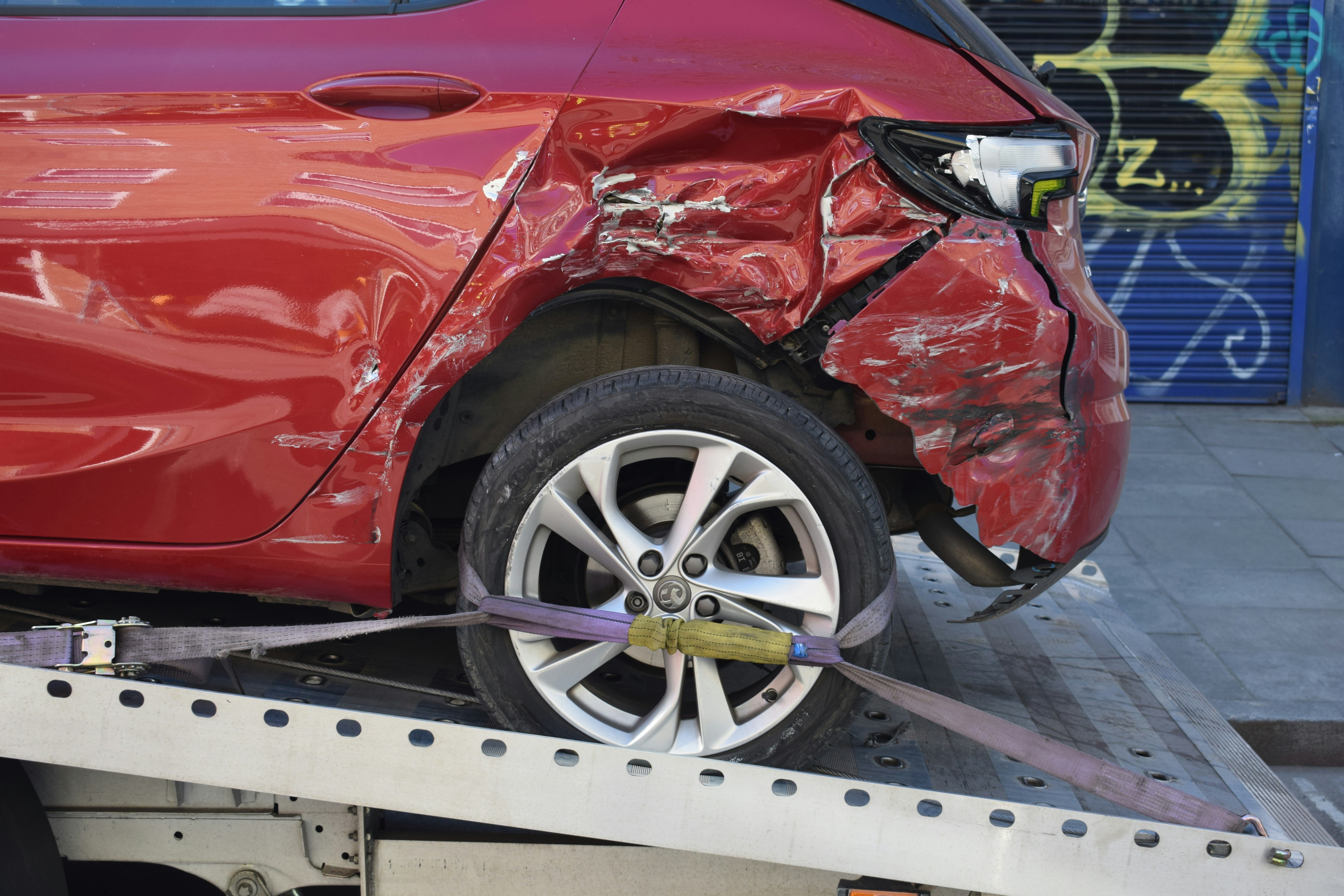
There are several offences in the ACT which relate to conduct involving the use of a motor vehicle where that use causes grievous bodily harm or death. These offences range in levels of seriousness, from maximum penalties of imprisonment for 1 year to 16 years for aggravated culpable driving offences.
On the lower end of the scale are offences of ‘negligent’ driving. A person may be found guilty of an offence of negligent driving occasioning grievous bodily harm if:
- They drove a motor vehicle;
- They intended to drive the motor vehicle;
- They drove the motor vehicle negligently;
- Their driving caused grievous bodily harm to another.
The same elements apply for negligent driving occasioning death, except for the harm caused being the most serious type.
If you are convicted of negligent driving causing grievous bodily harm, you are liable to a maximum penalty of imprisonment for 1 year and/or a fine of $16,000.00. If death is caused, you are liable to a maximum penalty imprisonment for 2 years and/or a fine of $32,000.00.
For a court to be satisfied that an accused person drove negligently, it is sufficient if the court is satisfied, beyond a reasonable doubt, that they drove a motor vehicle in a way which departed from the standard of care that would be expected of ordinary prudent drivers in the circumstances. These circumstances include the nature, condition and use of the road, where the offence is alleged to have been committed, and the amount of traffic that was on, or might reasonably be expected to have been on, that road.
Grievous bodily harm (GBH) covers a broad range of injuries and disabilities, but they generally involve very serious or permanent injuries that may be life-altering or have significant long-term consequences for the victim. Examples of injuries that may amount to GBH include:
- Deep lacerations
- Serious broken bones or fractures requiring surgical intervention
- Injuries with long-term physical or psychological effects
- Destruction of the foetus of a pregnant woman
Offences of culpable driving can be punishable by a maximum penalty of imprisonment for 10 years (in the case of GBH) or up to 16 years (in the case of death being caused to a pregnant woman or in circumstances involving family violence).
The elements which the prosecution is required to prove beyond reasonable doubt for the offence of culpable driving are the same as negligent driving, except that there must have been gross negligence – that is, the person must have failed unjustifiably and to a gross degree to observe the standard of care that a reasonable person would have observed in all the circumstances of the case.
The line between negligence and culpability can be difficult to delineate, but some examples may be:
| Negligent Driving | Culpable Driving |
| Turning right from your driveway onto a street whilst driving slowly, entering the roadway and being struck by a motorbike, causing that motorbike rider grievous bodily harm | Driving at speed, overtaking vehicles across a double white dividing line, losing control, crossing onto the incorrect side of the road and impacting a cyclist causing their death |
| Driving a police vehicle (lawfully) with lights (no sirens), at speed, running through an intersection contrary to a red light, colliding with another vehicle and causing death to the driver of the other vehicle | Driving through an intersection contrary to a red light, at speed, colliding with a vehicle with right of way and causing death to a passenger |
All driving offences which cause grievous bodily harm or death carry an automatic period of licence disqualification upon conviction. These can range from 6 months (for a first offender for negligent driving causing GBH) to an indefinite period of disqualification.
Should you or someone you know be charged with a serious driving offence, it is essential you receive legal advice from an experienced criminal defence lawyer at any early stage. To discuss your options, call Hugo Law Group in Sydney, NSW (02 9696 1361), Canberra, ACT (02 5104 9640) or Perth, WA (08 6255 6909) to make an appointment to speak to one of our lawyers.