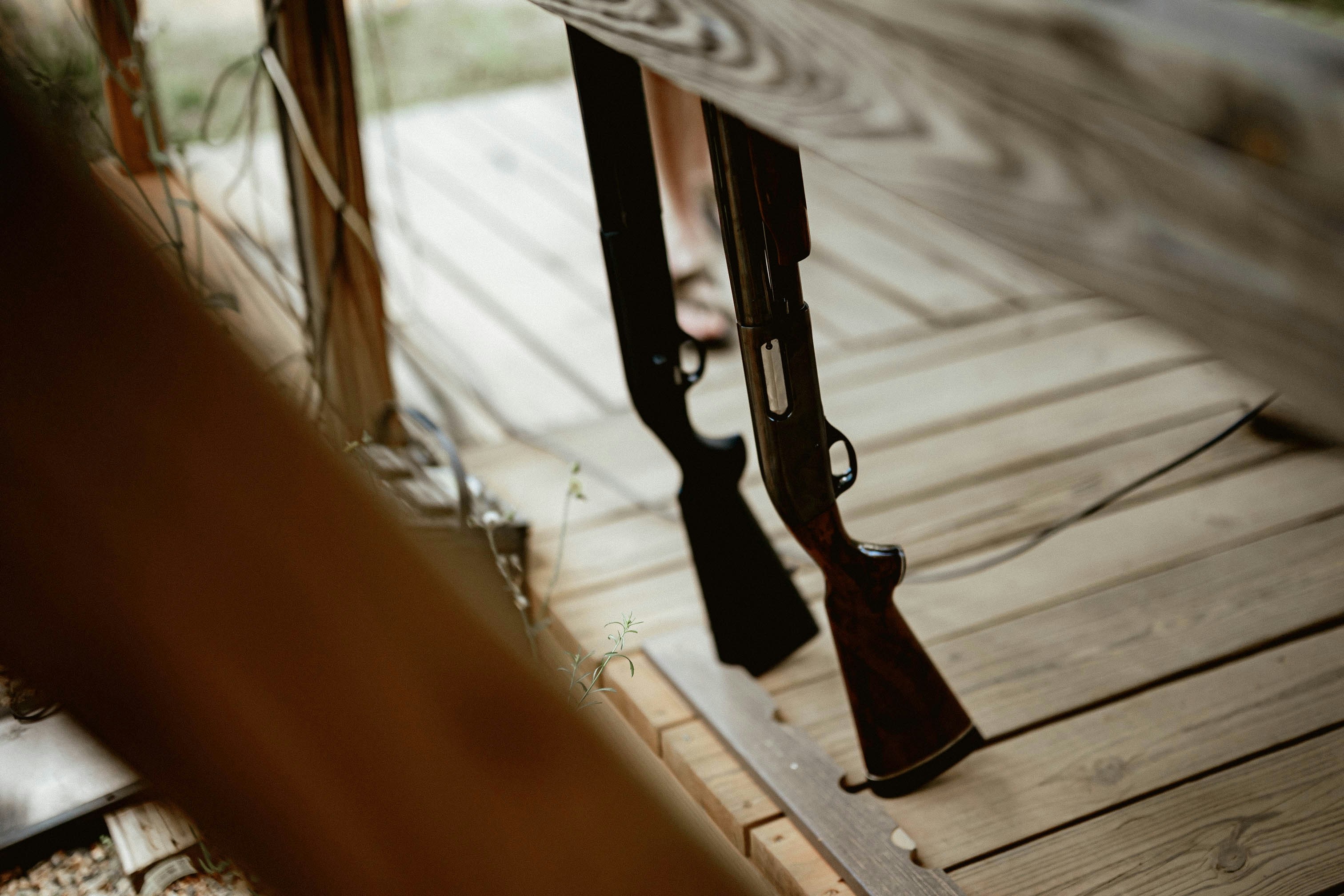
Adding to Australia’s existing and thorough gun control regime, the ‘Permanent National Firearms Amnesty’ began on 1 July 2021. The program was introduced on a permanent basis following a successful three-month trial amnesty implemented in 2017. All State and Territory Governments have agreed to and implemented the permanent program.
How the Amnesty Works (NSW)
In New South Wales, it is a criminal offence – pursuant to section 36(1) of the Firearms Act 1996 – to possess an unregistered firearm. However, under the Amnesty program a person in possession of unregistered firearms or related items (ammunition etc) can surrender them anonymously and without penalty. They can also surrender any unwanted firearms which are lawfully registered.
If an individual decides to surrender a firearm, firearm related article, or prohibited weapon to a participating firearms dealer or police station during the amnesty they are not required to provide their personal details. They also do not have to provide the details of where and/or how they obtained the firearm, firearm related article, or prohibited weapon.
This ‘no questions asked’ policy is designed to reassure those who would otherwise be apprehensive to surrender their firearms or those who are reluctant to interact with law enforcement. To this extent, the program has been largely successful with the initial 2017 trial amnesty yielding over 57,000 firearms, whilst the subsequent ongoing amnesty has resulted in the surrendering of 40,936 weapons and 1,463 parts between June 2021 and June 2024.
The amnesty provides an exemption from any offences related to the unauthorised possession of an unregistered firearm or firearm related article whilst at, or proceeding to, a participating firearms dealer or police station for the purposes of surrender. The amnesty provisions do not apply to a person who is subject to a firearms or weapons prohibition order or to a person who is subject to an apprehended violence order or an interim apprehended violence order.
Individual states and territories manage their own respective arrangements for the surrender of firearms or firearm related articles. Police stations and licensed firearms dealers in most states and territories are equipped to receive unregistered or unwanted firearms.
In New South Wales, the firearm or firearm related article can be surrendered to either a local police station or a participating firearm dealer. A list of participating firearm dealers in NSW can be found at: https://crimestoppers.com.au/firearmamnesty/declaregun/. The amnesty allows for:
- Firearms or firearm related articles to be registered, supplied, or surrendered to a participating firearm dealer without fear of prosecution.
- Firearms or firearm related articles to be surrendered to a police station without fear of prosecution.
- Prohibited weapons to be surrendered to a participating firearms dealer or police station without fear of prosecution.
Process
The Attorney General’s Department lists examples of unregistered firearms which can be handed in. These include:
- Firearms that should have been registered or surrendered during the 1996-1997 buyback but were not
- Firearms handed down to family members as part of deceased estates
Any person surrendering a firearm should contact the participating firearms dealer or local police station in advance and prior to attending the location with a firearm, firearm related article, or prohibited weapon to arrange a drop off time.
Before taking the firearm to a participating firearms dealer or police station, they should also make sure the firearm is unloaded and where possible, remove the bolt or take any other steps to render the firearm safe.
The firearm should then be placed in a gun bag or wrapped in a blanket. Ammunition can be taken at the same time as a firearm; however, it must be stored in a separate bag, box or container.
Should you or someone you know be charged with an offence, it is essential you receive legal advice from an experienced criminal defence lawyer at any early stage. To discuss your options, call Hugo Law Group in Sydney (02 9696 1361), Canberra (02 5104 9640) and Perth (08 6255 6909) to make an appointment to speak to one of our lawyers.