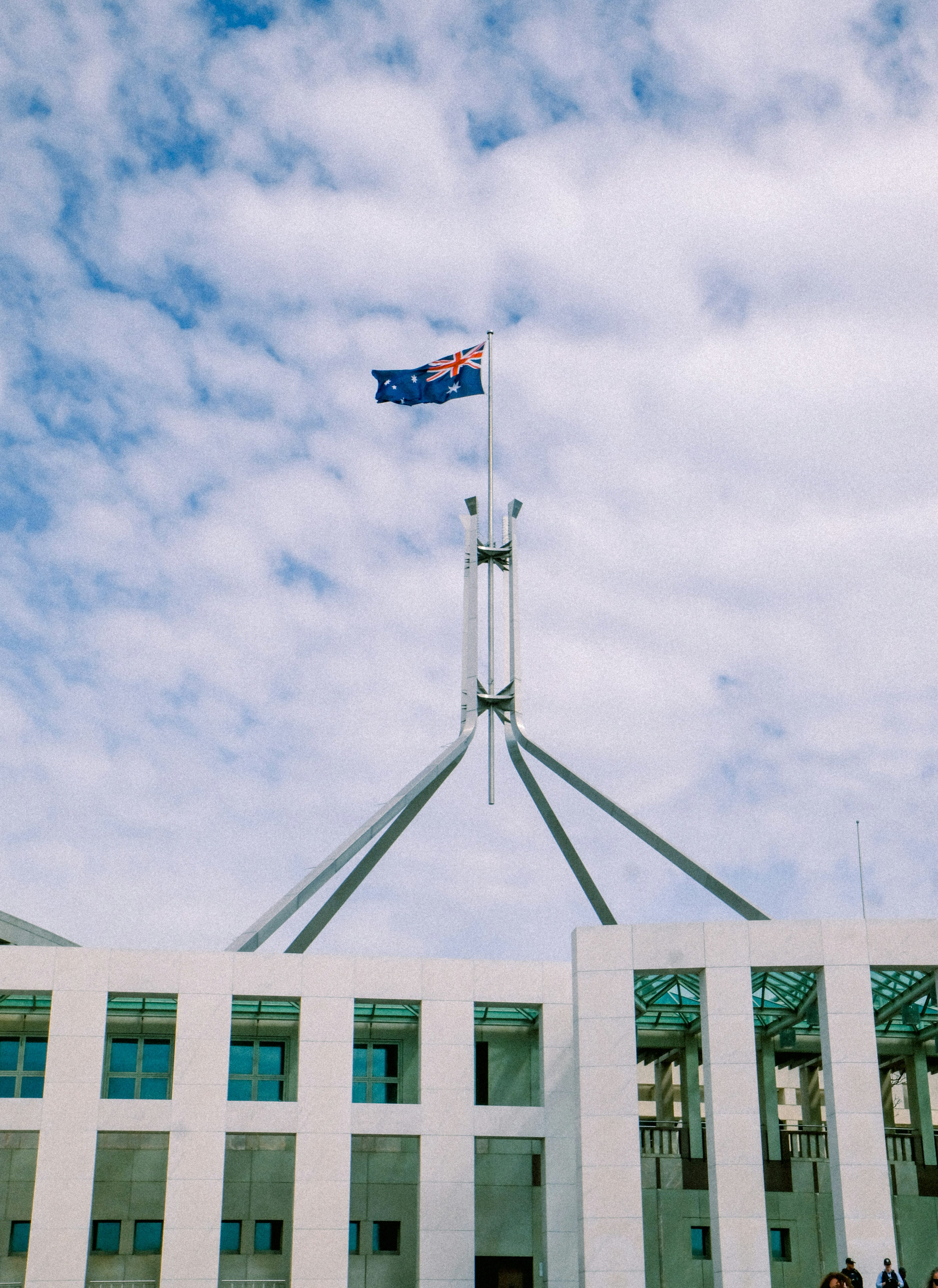
A royal commission is a formal, public inquiry instituted by the Governor-General (or state Governors). They are established under the Royal Commissions Act 1902 (Cth) or equivalent state legislation and are set up to investigate specific issues. Royal Commissions are independent but can originate for partly political reasons. This is because the government of the day decides the terms of reference, provides the funding and appoints the commissioners. Commissioners are selected based on their independence and qualifications.
They are the highest form of investigation on matters of public importance. Royal Commissions are often used for complex public issues, such as child abuse, aged care and corruption. They can lead to significant, long-term changes by influencing laws, policies and public attitudes. As of November 2025, Australia has had 138 federal royal commissions. The most recent of these were the Royal Commission into the Robodebt Scheme and Royal Commission into Defence and Veteran Suicide.
Powers of a royal commission
Royal Commissions have wide-ranging powers. This includes compelling witnesses (both individuals and organisations) to attend and give evidence, requiring production of documents and conducting private or public hearings. They also have the power to refer matters to law enforcement or regulatory bodies. A royal commission determines its own proceedings. In contrast to courts, it is not bound by the rules of evidence. However, it still must afford procedural fairness.
Legal implications for individuals involved
There are some legal implications for those involved in royal commissions. Individuals and organisations have an obligation to cooperate. Criminal penalties may be issued if there is a failure to attend or produce documents upon request.
Individuals called to appear are allowed to seek legal advice or representation. In some rare cases, publicly funded legal assistance may be available.
There may also be significant reputational risks that follow being called to a royal commission. Public findings of royal commissions have the ability to impact upon personal and professional standing. This is the case even there are no findings that criminal conduct has occurred. For example, witnesses called before the 2017 Royal Commission into Misconduct in the Banking, Superannuation and Financial Services Industry faced intense public scrutiny.
Outcomes
Importantly, unlike courts, royal commissions do not determine guilt or innocence. Instead, they produce a final report to the Governor-General, which is usually tabled in Parliament afterwards. The final report contains findings of fact and non-binding recommendations for legal, policy or institutional reform. These often lead to significant legal changes. For example, the Aged Care Act 2024 (Cth), which came into force on November 1, 2025. This was implemented as a direct response to findings from the report following the Royal Commission into Aged Care Quality and Safety. Although the government is not legally required to adopt these recommendations, political pressure usually ensures some action.
Criticisms
Some argue that royal commissions are politically motivated or used for delay. Royal commissions are commonly criticised on their costs, length and the trauma to witnesses. Indeed, royal commissions can involve a complex balancing exercise between the public interest and fairness to individuals.
Despite criticisms, royal commissions can play a crucial role in uncovering truths and shaping government policy. They are powerful and independent, but their powers come with legal consequences. If you or someone you know is called to participate in a royal commission, or believe it may affect you, it is essential to seek legal advice at an early stage.
Should you or someone you know be charged with an offence, it is essential you receive legal advice from an experienced criminal defence lawyer at any early stage. To discuss your options, call Hugo Law Group in Sydney (02 9696 1361), Canberra (02 5104 9640) and Perth (08 6255 6909) to make an appointment to speak to one of our lawyers.