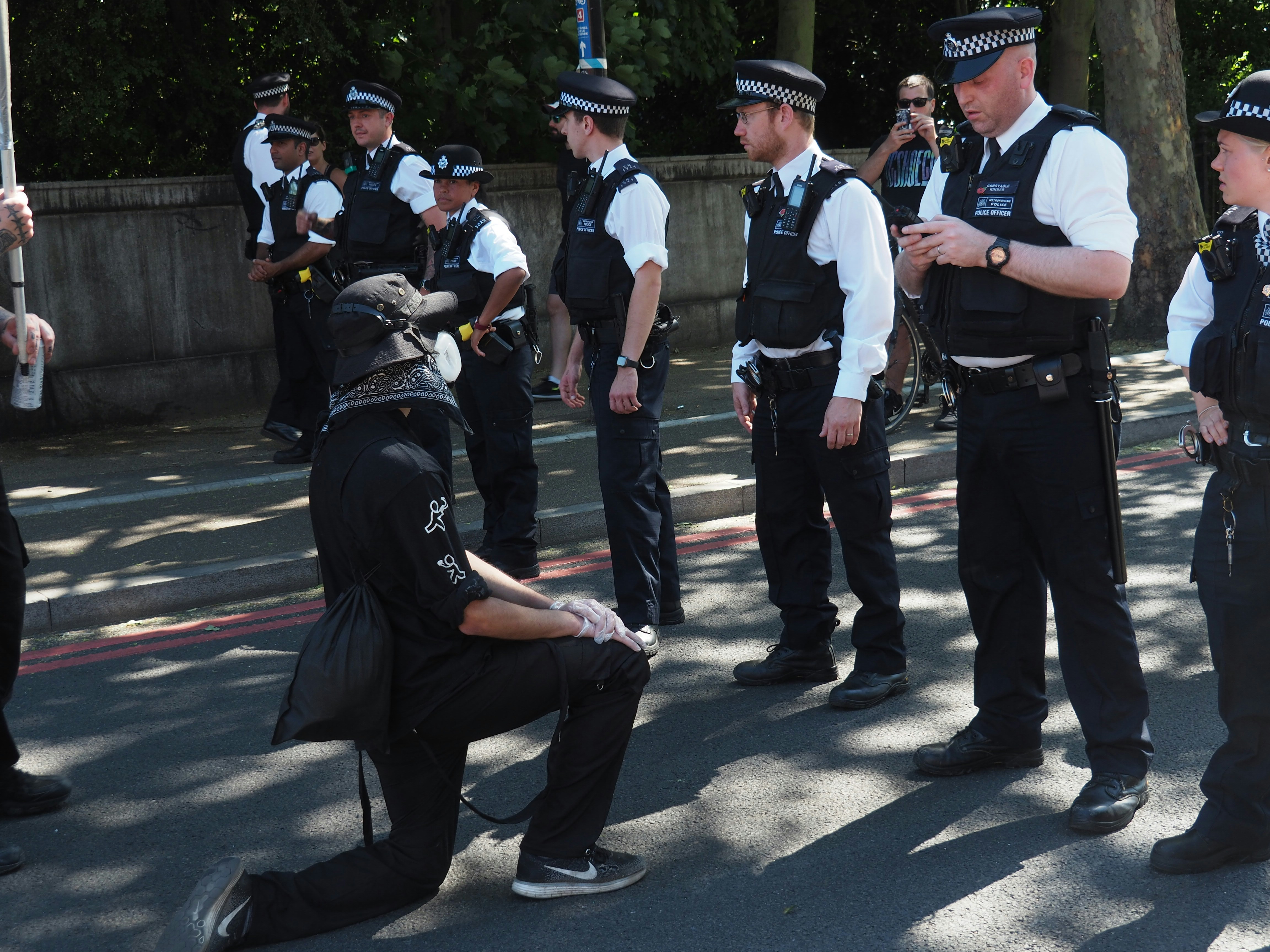
You have probably heard of the phrase, ‘sue whoever has the deepest pockets’. But what does that actually mean when you have been wronged by an individual police officer or Corrective Services officer?
Vicarious liability is a legal doctrine whereby one party is held liable for the wrongful acts of another, typically in situations where an employer is liable for torts committed by an employee in the course or scope of their employment. In the case of a police officer, his or her employer is sued (i.e. NSW Police Force, Australian Federal Police or Western Australian Police Force) which are emanations of the Crown.
The doctrine is rooted in the principle of “respondeat superior,” meaning “let the master answer,” and has evolved as a matter of policy. The fundamental requirement is a relationship of employment, and the wrongful act must occur within the scope of that employment. The High Court has repeatedly refused to extend vicarious liability to independent contractors. The policy rationale for vicarious liability is to distribute the cost of harm caused by employees among those best positioned to absorb and manage such risks, namely employers or enterprises. This ensures compensation for victims and encourages preventative measures within organisations. It also means that victims of wrongful acts are not left without recourse if the individual perpetrating the wrong does not have the money to satisfy a judgment.
When suing institutions such as Corrective Services, vicarious liability may be imposed on the State for torts committed by employees, provided the acts were within the course of service. Historically, limitations existed where Crown servants, such as police officers, exercised independent statutory duties, but legislation such as the Law Reform (Vicarious Liability) Act 1983 (NSW) removed these restrictions, making the State liable for torts committed in the course of service.
Some exceptions to vicarious liability, for example in respect of certain kinds of damages, exist in the context of Crown liability.
Hugo Law Group’s civil team specialises in claims against State and Commonwealth in NSW, ACT and WA and can assist in navigating potential complex questions about the allocation of responsibility between individuals and employers.